
Oral Cancer Screenings Wakefield
Have You Been Screened for Oral Cancer?
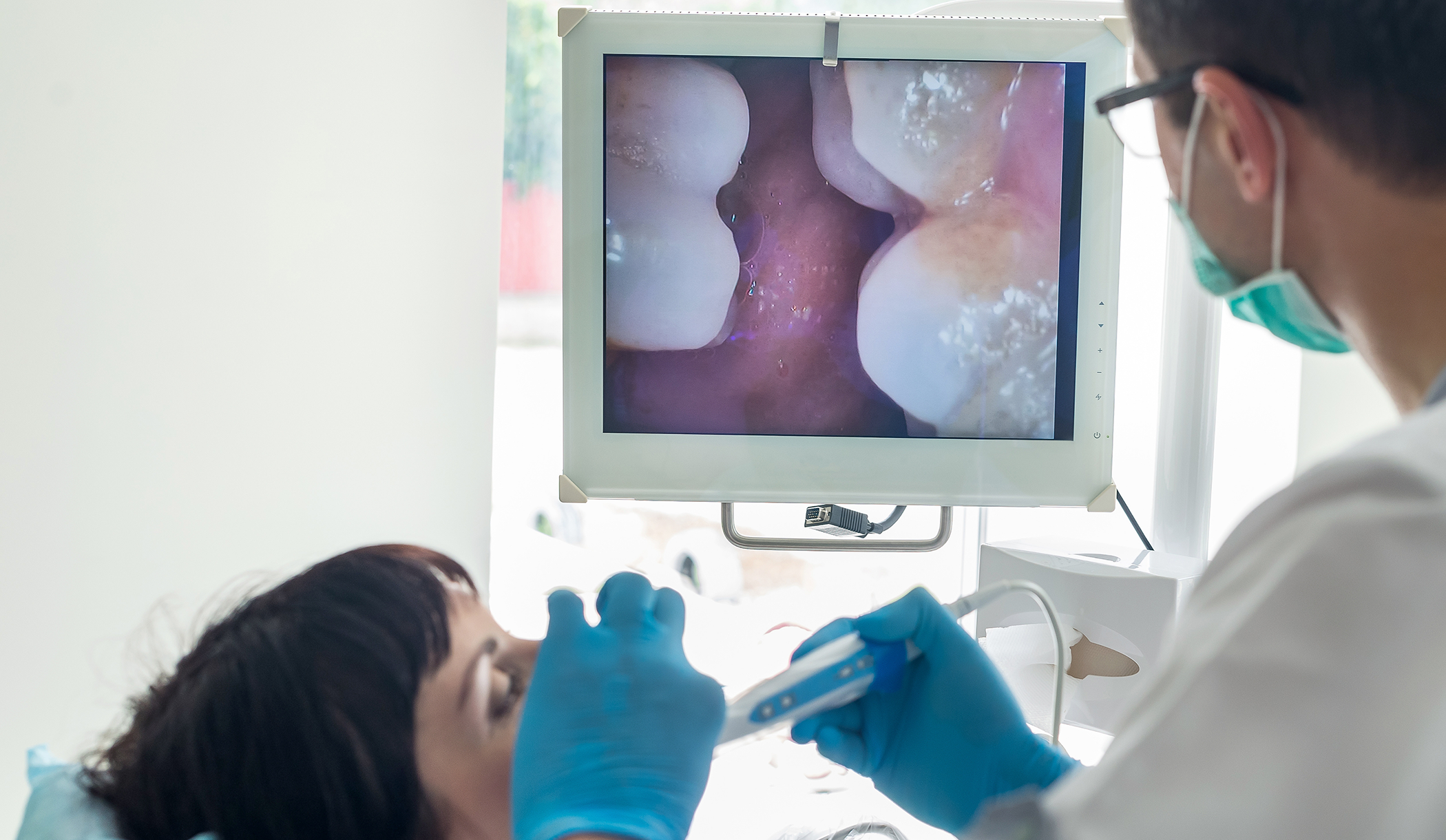
Many people may not realize this, but dentists like Dr. Schumacher do much more than simply look for tooth decay, plaque, and gum disease in your mouth. They’re also paying very close attention to symptoms that might indicate oral cancer, which is the sixth most common form of cancer in the world. With over 50,000 people being diagnosed with oral cancer every year, it’s another reason why routine dental exams can make a huge difference in your oral and overall health. Call our dental office today to get your next appointment and oral cancer screening scheduled here in Wakefield!
Why Choose Schumacher Dental for Oral Cancer Screenings?
- Detailed Exams with State-of-the-Art Technology
- Partnered with the Best Dental Specialists in the Area
- Lives Saved Every Year with Early Detection
Signs and Symptoms of Oral Cancer
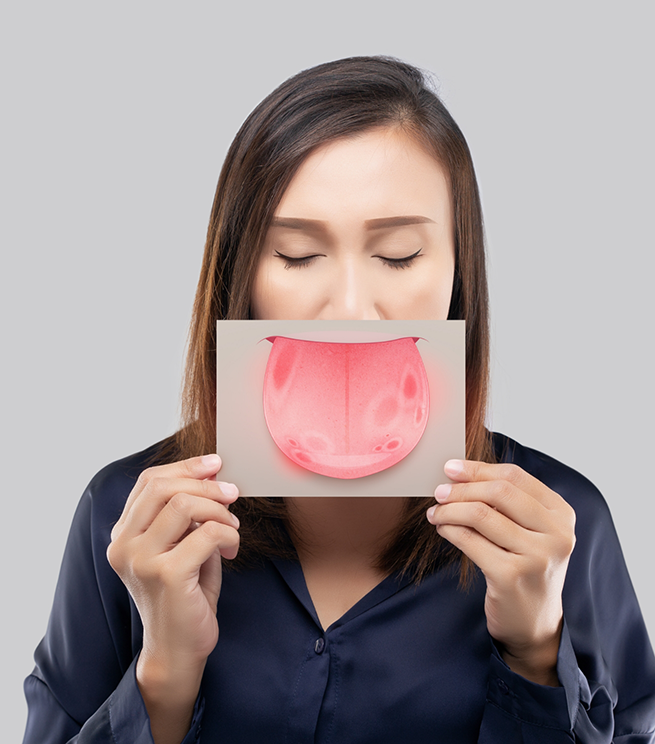
While doctors are the only people who can properly confirm and diagnose oral cancer, there are ways to perform exams at home for the condition as well. We recommend that you do so at least once a month as a precaution. The most common signs of oral cancer development include red or white patches of tissue forming inside your mouth or on your gums, sores that do not heal after a two-week period, and lumps, bumps, or thickenings of tissue. Keep in mind that oral cancer can form in the gums, tongue, tonsils, and lining of the mouth, so it’s important to be very thorough in between routine dental checkups.
What Does a Dentist Look for During My Oral Cancer Screening?

During an oral cancer screening, dentists are looking for all of the symptoms mentioned previously. However, they are also on the lookout for asymmetries, swellings, ulcerations, and other abnormalities that would indicate oral cancer. We use instruments to evaluate the gums, inner cheeks, roof of the mouth, throat, and area underneath the tongue.
Keep in mind that oral cancer is always easier to treat when it’s caught in the early stages of development. The later the stage of oral cancer, the more difficult treatment is going to be for your cancer moving forward. This is why it never hurts to get routine screenings done at least once every six months.
What to Expect During an Oral Cancer Screening
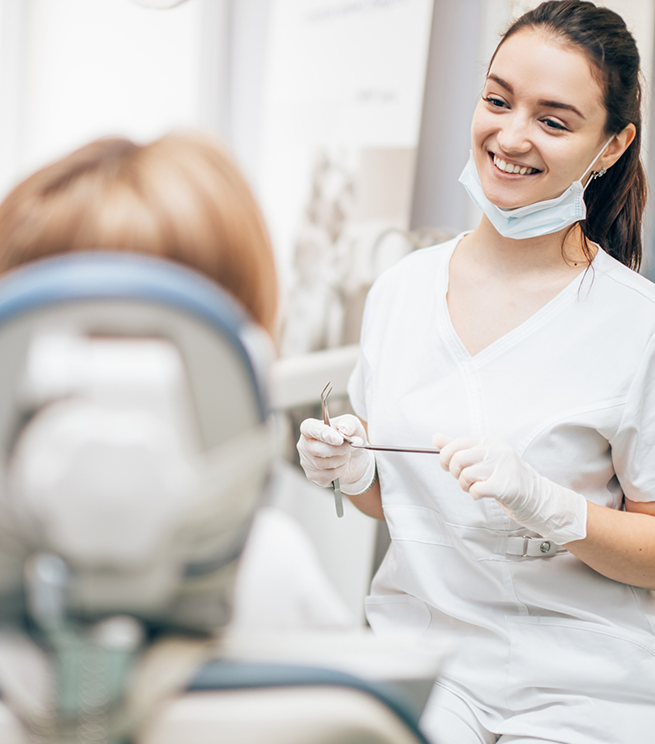
Oral cancer screenings are broken down into two categories. This includes the visual exam and the physical exam. During the visual exam, we use a dental mirror to closely examine your many oral structures, as well as other tools to evaluate your mouth’s condition. During the physical portion of the exam, your dentist touches the head, cheeks, area around the jaw and under the chin, and the oral cavity. This is done to catch unusual nodules. You may be asked if you experience discomfort when moving your jaw in any way. You may also be asked to swallow while your throat is being examined, similar to what you’d do during an annual exam with a general practitioner.