
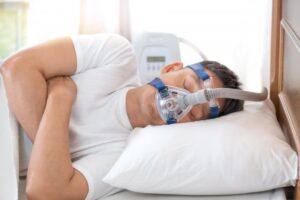
Sleep apnea is a common but often misunderstood sleep disorder. Because symptoms can vary and develop gradually, many people believe myths that delay diagnosis and treatment. Left untreated, sleep apnea can impact your energy, heart health, and overall well-being.
Let’s clear up 4 common myths about sleep apnea.
Myth #1: Only Older, Overweight Men Get Sleep Apnea
While middle-aged men are statistically at higher risk, sleep apnea can affect anyone — including women, children, and people at a healthy weight. Hormonal changes, jaw structure, enlarged tonsils, and genetics can all contribute.
Women, in particular, may experience different symptoms such as insomnia, headaches, anxiety, or daytime fatigue rather than loud snoring. Because symptoms don’t always match the stereotype, sleep apnea is frequently underdiagnosed in women.
Myth #2: Snoring Always Means You Have Sleep Apnea
Snoring is one of the most common signs of sleep apnea, but not everyone who snores has the condition. Occasional snoring can be caused by nasal congestion, sleeping position, or alcohol use.
However, loud, chronic snoring combined with gasping, choking sounds, or pauses in breathing during sleep may signal obstructive sleep apnea. Other warning signs include excessive daytime sleepiness, difficulty concentrating, and morning headaches.
A proper diagnosis requires a sleep study, either in a lab or through a home-based test recommended by a healthcare provider.
Myth #3: Sleep Apnea is Just Annoying — Not Serious
Sleep apnea is much more than an inconvenience. Untreated cases are linked to high blood pressure, heart disease, stroke, type 2 diabetes, and increased accident risk due to fatigue.
When breathing repeatedly stops and starts during the night, oxygen levels drop and stress hormones rise. Over time, this strain can significantly impact cardiovascular health. Treating sleep apnea not only improves sleep quality but can also lower long-term health risks.
Myth #4: CPAP is the Only Treatment Option
Continuous Positive Airway Pressure (CPAP) therapy is a highly effective treatment, but it’s not the only solution. Some patients benefit from oral appliance therapy provided by specially trained dentists. These custom devices reposition the jaw to keep the airway open during sleep.
Lifestyle changes, weight management, positional therapy, and in some cases surgery may also be appropriate depending on the severity and cause of the condition.
Sleep apnea is common, treatable, and often misunderstood. If you or a loved one experiences chronic snoring, daytime fatigue, or breathing interruptions during sleep, don’t ignore the signs.
About the Practice
Do you experience daytime fatigue? Do you wake up gasping for breath in the night? If so, you may be suffering from sleep apnea. Here at Schumacher Dental, we’re helping patients every day by treating them with oral appliances. You can’t afford to miss out on your sleep, so why not come see us to help restore your precious rest? Schedule your appointment online or give us a call at (781) 334-3400.